Sunflower Papers: Elevating Digital Design Projects
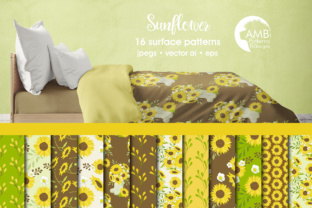
Visual consistency and high-quality assets are the cornerstones of effective digital communication, whether you are designing a scrapbook layout, creating social media graphics, or branding a seasonal product line. Sunflower Papers (AMB-1431) offers a specialized collection of 16 digital themed papers featuring sunflower blossoms in rich, intense colors of red, golden yellow, and green. Unlike generic stock backgrounds, this collection integrates floral patterns with geometric elements like polka dots and checkers, all created using original high-quality clipart. For professionals and hobbyists alike, understanding the technical specifications and practical applications of these assets is essential for maximizing their value in creative workflows.
Technical Specifications for Professional Print and Web
The utility of any digital paper collection depends heavily on its resolution and file format. Sunflower Papers are saved separately in 12-inch by 12-inch JPEG format at a high resolution of 300 dpi. This specification is significant for several practical reasons. First, the 300 dpi standard ensures that designs remain crisp and artifact-free when printed at full size. Many lower-resolution web assets pixelate when scaled up for physical products like posters, packaging, or standard scrapbook pages. By adhering to this print-industry standard, these papers bridge the gap between digital screen design and tangible output.
The 12x12 inch dimension is a versatile industry standard. It aligns perfectly with traditional scrapbooking requirements, but it also serves as an optimal canvas for square social media posts, Instagram stories, and digital planner covers. Because each pattern is saved as an individual file rather than a bundled sheet, users can quickly access specific designs without navigating through large composite images. This modular organization saves time during the production phase, allowing creators to drag and drop assets directly into software like Photoshop, Canva, Procreate, or Affinity Designer without preliminary cropping or resizing.
Leveraging Rich Color Palettes for Visual Impact
Color psychology plays a pivotal role in how audiences perceive content. The Sunflower Papers collection utilizes intense shades of red, golden yellow, and green rather than muted or pastel tones. In marketing and educational contexts, these saturated colors command attention and convey energy, warmth, and vitality. For entrepreneurs selling autumn-themed products or educators creating engaging classroom materials, this palette provides an immediate emotional hook that softer colors often fail to achieve.
However, working with intense colors requires thoughtful application to avoid visual fatigue. These papers work best when balanced with ample negative space or neutral text overlays. For example, a blogger might use a rich golden yellow sunflower paper as a header background while keeping the main article body white to maintain readability. Similarly, a small business owner designing product tags could utilize the checker or polka dot variations as borders, framing the central information without overwhelming the viewer. Understanding how to balance these bold hues ensures the final design remains professional and accessible.
Integrating Mixed Patterns for Cohesive Branding
A distinct advantage of the AMB-1431 collection is the inclusion of mixed patterns alongside traditional florals. The combination of organic sunflower blossoms with structured polka dots and checkers allows for sophisticated layering and texture. Purely floral backgrounds can sometimes feel too busy for text-heavy projects. By incorporating geometric counterparts, designers can create hierarchy and guide the viewer’s eye through the composition.
Consider a freelancer creating a media kit or portfolio. Using a bold floral paper for the cover creates a strong first impression, while a coordinating checker pattern for interior section dividers maintains thematic consistency without competing with body copy. This mix-and-match capability supports brand cohesion across multiple touchpoints. Instead of searching for separate floral and geometric assets that may not share the same color profile or artistic style, users receive a unified system where every element is designed to work in concert. This reduces decision fatigue and streamlines the asset selection process.
Practical Applications Across Different Industries
The versatility of Sunflower Papers extends beyond traditional scrapbooking. Various professionals can leverage these assets to solve specific design challenges:
- Digital Marketers: Create cohesive seasonal campaign assets for email newsletters and social ads. The 12x12 format is ideal for carousel posts, and the high resolution ensures quality across devices.
- Educators and Tutors: Develop visually stimulating worksheets, certificates, and presentation slides. The bright colors help maintain student engagement, particularly in early childhood or special education settings where visual cues are critical.
- Small Business Owners: Design custom packaging inserts, thank-you cards, and product labels. Original clipart-based designs add a bespoke feel that distinguishes handmade or boutique products from mass-market competitors.
- Content Creators: Establish a recognizable aesthetic for YouTube thumbnails, podcast covers, or blog headers. Consistent use of specific patterns helps build audience recognition over time.
- Event Planners: Produce coordinated stationery suites for weddings, parties, or corporate retreats. The mix of florals and geometrics suits both rustic and modern event themes.
In each scenario, the value lies not just in the aesthetic appeal but in the time saved. Creating original seamless patterns from scratch requires advanced illustration skills and significant hours. Utilizing pre-made, high-quality assets allows professionals to focus on messaging, strategy, and execution rather than asset generation.
Evaluating Fit and Usage Considerations
While Sunflower Papers offer substantial benefits, they are not universally applicable to every project. It is important to assess fit before integration. The intense color saturation and specific botanical theme make these papers less suitable for minimalist, corporate-tech, or somber designs. A financial report or a luxury spa brochure might require more subdued, abstract, or neutral backgrounds. Users should compare this collection against their specific brand guidelines and project tone to ensure alignment.
Additionally, because these are raster JPEG files rather than vectors, they cannot be infinitely scaled without quality loss. While 300 dpi at 12x12 inches is excellent for most standard applications, large-format printing such as billboards or vehicle wraps would require vector alternatives or significantly higher resolution sources. Users planning oversized prints should verify dimensions beforehand. Furthermore, as JPEGs, these files do not support transparency. If your workflow requires layered elements with transparent backgrounds, you will need to manually remove backgrounds or overlay these papers as base layers beneath other PNG elements.
Maximizing Efficiency Through Asset Organization
To fully realize the efficiency gains of Sunflower Papers, proper digital asset management is recommended. Since the collection includes 16 distinct files, organizing them within your design software’s library or cloud storage with clear naming conventions prevents workflow bottlenecks. Tagging files by dominant color (e.g., "Red Floral," "Yellow Checker") or intended use case enables rapid retrieval during tight deadlines.
For teams or agencies sharing these assets, establishing usage guidelines ensures consistency. Documenting which patterns are approved for external marketing versus internal presentations prevents brand dilution. When used strategically, Sunflower Papers (AMB-1431) serve as more than decorative backgrounds; they function as foundational design elements that enhance communication, reinforce identity, and elevate the perceived quality of both digital and print deliverables. By understanding the technical parameters and applying thoughtful design principles, creators can transform these vibrant digital papers into powerful tools for visual storytelling.