Elevating Seasonal Design with Versatile Autumn Papers and Fall Digital Backgrounds
The transition from summer to autumn brings a distinct shift in color palettes, textures, and emotional resonance for designers and crafters alike. Capturing this ephemeral beauty requires resources that balance aesthetic warmth with technical precision. Autumn papers serve as the foundational element for seasonal creativity, bridging the gap between raw inspiration and finished design. Whether you are crafting physical scrapbooks or designing digital assets for web and print, having a curated collection of high-quality fall backgrounds is essential for maintaining workflow efficiency and visual consistency.
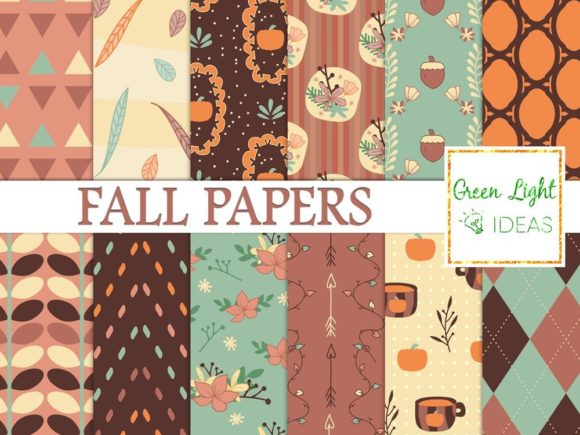
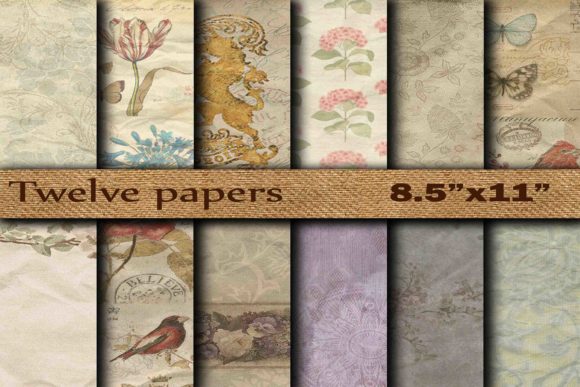
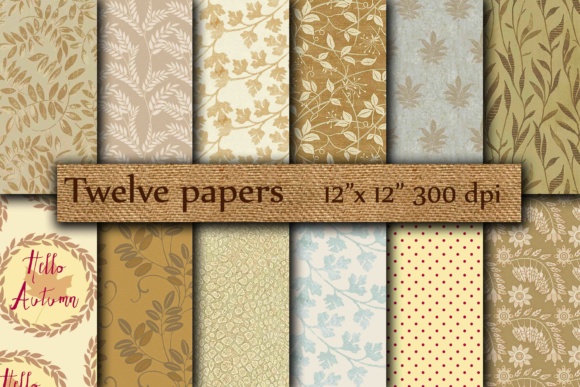
This specific collection of 12 printable digital papers offers a comprehensive solution for seasonal projects. Rendered at 300 DPI in JPG format, these 12x12 inch files provide the resolution necessary for professional printing while remaining optimized for screen display. The assortment includes quintessential autumn leaves, sophisticated beige floral motifs, and versatile autumn patterns that cater to a wide spectrum of creative applications.
The Technical Advantage of High-Resolution Digital Assets
When selecting digital paper for creative work, resolution is often the deciding factor between an amateur result and a polished product. These files are provided at 300 DPI (dots per inch), which is the industry standard for high-quality offset and digital printing. This density ensures that when you print these designs for physical greeting cards or wedding stationery, the edges remain crisp and the colors stay vibrant without pixelation or blurring.
The 12x12 inch dimension is equally strategic. In the digital scrapbooking and paper crafting communities, this square format is the universal standard. It aligns perfectly with traditional scrapbook album sizes, making it effortless to integrate these fall digital papers into existing layouts without excessive cropping or resizing. For web designers and social media content creators, this aspect ratio provides ample canvas space. You can easily crop specific sections for Instagram posts, stretch them for website headers, or use them as full-frame backdrops for Pinterest pins without losing critical design elements.
Color Theory and Seasonal Aesthetics
Effective autumn design relies heavily on color psychology. This collection moves beyond generic orange and brown tropes by incorporating nuanced tones like muted beige, deep burgundy, and soft gold. The inclusion of beige floral patterns introduces a neutral anchor that prevents designs from becoming visually overwhelming. Neutrals are crucial in modern design because they allow typography and focal photographs to take center stage.
When utilizing these autumn graphics, consider the interplay between warm and cool tones. A background featuring rich rust-colored leaves pairs exceptionally well with cream or white text, creating high contrast and readability. Conversely, lighter beige florals offer a subtle texture that supports darker, more dramatic typography. Understanding these relationships allows designers to create cohesive branding across multiple touchpoints, from physical invitations to digital newsletters.
Practical Applications Across Creative Industries
The versatility of these autumn papers extends far beyond simple scrapbooking. Modern creative workflows demand assets that can adapt to various mediums and purposes. Here is how these digital backgrounds function across different project types:
- Greeting Cards and Stationery: The 300 DPI resolution makes these ideal for folding cards, postcards, and thank-you notes. The seamless patterns ensure that even if the card is trimmed slightly off-center during production, the design remains intact.
- Wedding and Event Invitations: Autumn weddings often feature rustic or boho themes. Beige floral and leaf patterns provide an elegant, organic backdrop for formal invitation suites. They add texture without competing with intricate calligraphy or serif fonts.
- Digital Party Planning: For birthday parties or tea parties, these papers can be imported into design software like Canva or Photoshop to create custom banners, cupcake toppers, and favor tags. The digital nature of the files means unlimited reproductions for large guest lists.
- Photography Backdrops: Photographers can use these high-resolution files as virtual backgrounds for composite editing or as printed backdrops for flat-lay product photography. The natural textures of autumn leaves add depth to jewelry, cosmetics, or food photography shot during the fall season.
- Website and Blog Design: Seasonal website refreshes keep audiences engaged. Using a subtle autumn pattern as a section divider or header background signals timeliness and relevance to visitors without requiring a complete site overhaul.
Streamlining the Design Workflow
Time management is a critical component of professional and hobbyist design. Sourcing individual elements—finding a leaf here, a texture there, and a color swatch elsewhere—consumes valuable creative energy. A cohesive set of 12 matching papers eliminates this friction. Because the designs share a common color story and stylistic language, mixing and matching them within a single project guarantees harmony.
For example, a designer creating a multi-page program for a fall festival can use a bold autumn graphic for the cover, a lighter beige floral for the interior text pages, and a coordinating leaf pattern for the back cover. This pre-coordinated approach reduces decision fatigue and accelerates project completion. The JPG format further enhances compatibility; unlike proprietary file types, JPGs open instantly in virtually every image editor, word processor, and presentation software available.
Considerations for Print vs. Digital Usage
While these Autumn papers are versatile, maximizing their potential requires understanding the differences between print and screen application. When preparing files for print, always work in CMYK color mode if possible, or verify proofs before mass production. Screens display colors in RGB, which has a wider gamut than most printers. The rich reds and oranges in fall foliage can sometimes shift when converted to ink. Testing a single sheet on your target printer ensures the final output matches your vision.
For digital use, file size optimization becomes important. While the source files are high-resolution 300 DPI JPGs, uploading full-size images to a website will slow down load times and negatively impact SEO. Always resize and compress these backgrounds for web use, typically reducing resolution to 72 or 96 PPI and saving as optimized JPEGs or WebP files. This preserves the visual quality of the fall background while maintaining technical performance standards.
Enhancing Creativity Through Layering and Texture
Digital papers should be viewed as starting points rather than final destinations. One of the most effective techniques for using these assets is layering. By adjusting the opacity of an autumn pattern overlay, you can create a textured effect that adds interest to solid color blocks without obscuring underlying content. Blending modes such as Multiply, Overlay, or Soft Light in photo editing software can integrate these papers seamlessly into photographs, giving portraits or product shots a unified seasonal atmosphere.
Furthermore, these papers can be deconstructed. Individual elements like isolated leaves or floral clusters can be extracted and used as standalone embellishments. This modular approach maximizes the value of the 12-file set, effectively providing dozens of unique assets from a single purchase. Whether masking a photo into a leaf shape or using a floral corner as a frame, the flexibility of these high-quality JPGs supports both minimalist and maximalist design philosophies.
Selecting the Right Assets for Your Project Scope
Before integrating any digital asset into a workflow, it is wise to assess the specific requirements of the project. For large-format printing like posters or banners, verify that the 12x12 dimensions will scale appropriately without losing detail. While 300 DPI at 12 inches is excellent for standard stationery, billboard-sized prints may require vector graphics or higher native resolutions. However, for the vast majority of personal, commercial, and event-based projects, this specification hits the sweet spot of quality and usability.
Ultimately, the value of these Autumn papers lies in their ability to translate the sensory experience of fall into tangible design elements. They capture the nostalgia of crunching leaves and the elegance of late-season blooms, packaged in a format that respects modern technical standards. By choosing high-quality, properly formatted digital papers, creatives ensure that their seasonal projects are not only beautiful but also professionally viable and enduring.