Ballerina and Tutu Papers: Selecting Quality Digital Assets for Ballet Projects
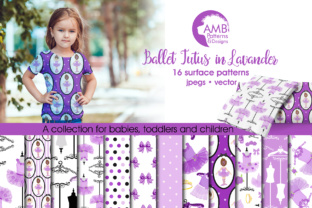
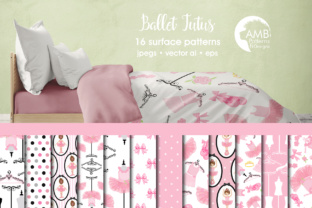
Creating ballet-themed scrapbooks, invitations, or digital collages requires more than just a passing interest in dance; it demands visual assets that capture the elegance and precision of the art form. The Ballerina and Tutu Papers collection (AMB-1315) offers a curated set of 16 digital papers specifically designed to meet this need. Featuring a sophisticated palette of pinks and black, these designs incorporate tutus, floral embellishments, hangers, and clothes horses to provide authentic texture and thematic consistency. However, even with high-quality source material like this, creators often encounter frustration due to improper file handling, mismatched resolutions, or stylistic oversights. Understanding how to properly evaluate and utilize these specific digital elements is essential for achieving professional results without wasting time or resources.
Evaluating Resolution and Print Readiness
One of the most frequent mistakes beginners and intermediate crafters make is assuming all digital papers are created equal regarding print quality. When working with the Ballerina and Tutu Papers, it is vital to verify that you are utilizing the full 300 dpi resolution at the native 12x12 inch size. A common error occurs when users drag a low-resolution thumbnail or web-preview image into their layout software instead of the full-size JPEG file. This results in pixelated prints where the delicate details of the floral embellishments and fabric textures appear muddy or jagged.
To avoid this, always check the file properties before importing. The AMB-1315 collection provides each pattern separately in high resolution, but your software may automatically downsample images to save memory during editing. Ensure your project canvas is also set to 300 dpi before placing the paper. If you intend to resize the paper for smaller projects like gift tags or favor boxes, scale down from the original high-resolution file rather than stretching a smaller version. This preserves the crispness of the pink and black color gradients and ensures the tutu illustrations remain sharp, maintaining the premium look intended by the original clipart designers.
Avoiding Color Palette Clashes
The specific combination of pinks and black in this collection is intentional, evoking a classic yet modern ballet aesthetic. A significant design pitfall arises when creators introduce external elements that clash with this established harmony. For example, pairing these papers with neon greens, bright oranges, or cool-toned blues can create visual dissonance that distracts from the central theme. The black elements in the Ballerina and Tutu Papers serve as an anchor; introducing competing dark colors with different undertones can make the layout look chaotic rather than cohesive.
Instead of guessing which colors work best, sample directly from the digital paper itself. Use the eyedropper tool in your design software to pull exact hex codes from the pink tutus or black hangers. Use these sampled colors for your text, borders, and journaling cards. This guarantees that every element in your scrapbook page or invitation feels like part of a unified set. When adding photos, consider applying a subtle warm filter or converting them to sepia or black and white to ensure they blend seamlessly with the pink and black background patterns. This corrective approach prevents the "cut-and-paste" look that often plagues themed projects.
Understanding Thematic Elements and Context
Digital papers are not merely backgrounds; they are storytelling devices. The inclusion of clothes horses and hangers alongside tutus and floral accents in the Ballerina and Tutu Papers suggests a behind-the-scenes or dressing room narrative. A missed opportunity occurs when users treat these distinct elements as generic noise. Placing a photo of a stage performance over a background featuring a clothes horse might create a contextual disconnect, as the background implies preparation while the photo depicts performance.
To maximize the utility of these 16 designs, match the specific paper pattern to the content of your project. Use the papers featuring hangers and clothes horses for pages documenting rehearsals, costume fittings, or backstage memories. Reserve the papers with prominent tutus and floral embellishments for recital highlights, portraits, or formal invitations. By aligning the visual metaphor of the background with the subject matter of your content, you create a deeper emotional resonance. This thoughtful application distinguishes a professionally curated album from a random assortment of pretty patterns.
File Management and Workflow Efficiency
Efficiency is often overlooked in creative workflows, leading to frustration long after the initial purchase. Because the Ballerina and Tutu Papers collection delivers each of the 16 patterns as a separate JPEG file, poor organization can quickly derail a project. Users frequently leave files in a generic "Downloads" folder with auto-generated names, making it difficult to locate specific designs months later. This lack of organization leads to redundant purchases or abandoned projects because the necessary assets cannot be found.
Establish a dedicated asset library immediately upon download. Create a folder structure such as "Digital Paper > Ballet > AMB-1315 Ballerina and Tutu." Rename files descriptively if the default names are cryptic; for instance, "Pink_Tutu_Floral_01.jpg" is far more useful than "IMG_4921.jpg." Additionally, keep a master backup of the original high-resolution files. Never edit or overwrite the source JPEGs. Always duplicate the file into your active project folder before making adjustments. This practice ensures that if you make a mistake or need to start a new project years later, you still have access to the pristine, 300 dpi originals. Treating digital assets with the same care as physical archival supplies extends their value and usability indefinitely.
Verifying Licensing and Usage Rights
For entrepreneurs, small business owners, and freelancers using these papers for client work or products, overlooking licensing terms is a critical risk. While the Ballerina and Tutu Papers are excellent for personal scrapbooking and invites, assuming they are cleared for commercial resale or mass production can lead to legal issues. High-quality clipart and designs require respect for the creator's intellectual property.
Before incorporating these patterns into any product intended for sale, review the specific license agreement provided with the AMB-1315 download. Clarify whether the license covers digital end-products, physical printed goods, or both. If your intended use falls outside the standard personal license, seek out the appropriate commercial upgrade. This proactive step protects your business reputation and supports the artists who create these specialized resources. Transparency in usage rights is a hallmark of professional integrity in the creative industry.
Maximizing Value Through Versatile Application
Finally, avoid the misconception that ballet-themed papers are only suitable for children’s recitals. The sophisticated pink and black colorway of the Ballerina and Tutu Papers makes them versatile for adult audiences as well. These designs work beautifully for baby shower stationery, dance studio branding, fashion mood boards, or even elegant birthday party decor for teens and adults. Limiting the collection’s use to a single narrow demographic undervalues the design effort.
Experiment with layering and opacity to adapt the papers for different age groups. For a more mature aesthetic, reduce the opacity of a busy tutu pattern to create a subtle watermark effect behind text-heavy layouts. Combine the floral embellishment papers with solid black cardstock for a high-contrast, modern look. By viewing these digital assets as flexible design components rather than rigid thematic constraints, you extract maximum value from the collection. Thoughtful adaptation ensures that your investment in high-quality digital stationery yields returns across multiple projects and occasions.