Kitchen Digital Paper: Rustic Designs for Creative Projects
There is a distinct warmth to rustic aesthetics that digital design often struggles to replicate. When working on projects that require a sense of heritage, comfort, or culinary tradition, flat colors and modern vectors can feel sterile. This is where high-quality kitchen digital paper becomes an essential asset in a creator's toolkit. Unlike generic textures, specialized rustic dishes paper featuring teapots, pans, spoons, forks, and vintage florals offers immediate narrative context. It bridges the gap between digital convenience and analog charm, providing a textured foundation that elevates everything from scrapbooking to professional product packaging.
Defining the Aesthetic of Rustic Kitchen Digital Paper
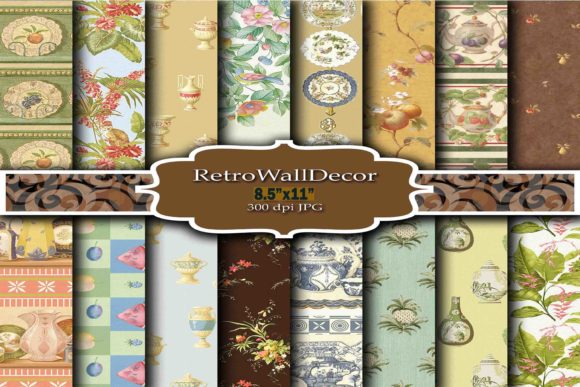
Kitchen digital paper is more than just a background; it is a curated collection of visual elements that evoke specific memories and atmospheres. The rustic variety specifically focuses on time-worn beauty rather than pristine perfection. When evaluating this type of digital asset, look for designs that feature hand-painted or authentically distressed illustrations of domestic items. The inclusion of vintage flowers and fruits alongside functional items like bottles and dishes creates a balanced composition that feels lived-in and genuine.
The strength of this particular style lies in its versatility. While "rustic" implies a country or farmhouse aesthetic, the integration of floral elements softens the industrial nature of pans and utensils. This combination allows the paper to transition seamlessly between masculine and feminine design sensibilities. For designers, this means one pack can serve multiple client needs, from a rugged artisanal coffee brand to a delicate wedding invitation suite. The visual density of these papers also provides excellent coverage, ensuring that backgrounds do not look empty or unfinished when used at full scale.
Technical Specifications That Matter for Print and Web
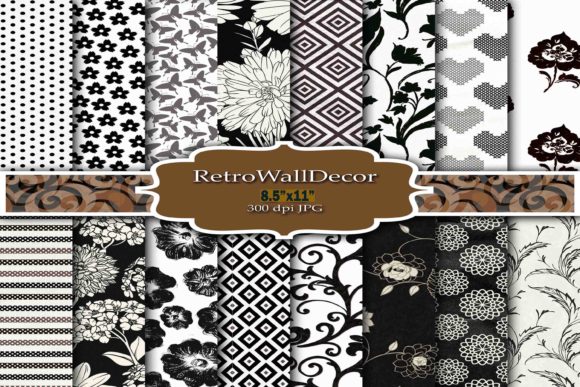
Creative professionals understand that resolution dictates usability. A beautiful pattern is useless if it pixelates when printed. This collection of kitchen digital paper adheres to strict professional standards, offering 16 unique files at 300 DPI. This resolution is the industry benchmark for high-quality printing, ensuring crisp edges and vibrant color reproduction whether you are producing physical stationery or large-format signage.
The dimensions of 8.5 x 11 inches (2550x3300 px) are strategically chosen for maximum compatibility. This size corresponds perfectly to standard US Letter paper, making it ideal for direct printing without resizing or tiling. However, the pixel density allows for significant flexibility in digital environments. You can crop into these files to create social media tiles, web banners, or digital planner stickers without losing clarity. The JPEG format ensures broad compatibility across all major design software, including Adobe Photoshop, Illustrator, Canva, Procreate, and Affinity Designer, streamlining workflow efficiency for freelancers and agencies alike.
Practical Applications Across Creative Disciplines
The utility of rustic kitchen digital paper extends far beyond personal hobbyist projects. Understanding how to leverage these assets in various professional contexts can significantly enhance output quality and reduce production time.
Scrapbooking and Memory Keeping
For memory keepers, these papers provide instant thematic cohesion. Family recipes, holiday gatherings, and ancestral stories benefit immensely from backgrounds that visually reinforce the subject matter. Instead of spending hours sourcing individual clipart elements, a single sheet of digital paper establishes the mood. The vintage floral and fruit motifs work particularly well for framing photographs, while the utensil patterns can serve as transitional pages between different sections of an album.
Commercial Branding and Packaging
Small business owners in the food and beverage sector often seek packaging that communicates authenticity. A bakery, jam maker, or organic farm can use these digital papers as liner tissue, box wraps, or label backgrounds. The rustic dishes theme signals handmade quality and traditional values to consumers. Because the files are high-resolution, they can be adapted for hang tags, thank-you cards, and shopping bags, creating a unified brand experience that looks professionally designed rather than DIY.
Educational and Instructional Design
Educators and content creators teaching culinary arts, nutrition, or home economics can use these papers to make worksheets and presentation slides more engaging. Visual context aids retention, and a background featuring relevant iconography like teapots and produce helps anchor the lesson topic. For digital course creators, using consistent branded backgrounds across PDF guides and slide decks builds recognition and adds perceived value to the educational material.
Digital Planning and Stationery
The digital stationery market continues to grow, with users seeking aesthetically pleasing templates for tablets and e-readers. These kitchen-themed papers are perfect for creating recipe card templates, meal planning dashboards, and grocery list pads. The 2550x3300 px resolution ensures they look sharp on high-density Retina displays, while the rustic color palettes reduce eye strain compared to stark white backgrounds.
Maximizing Usability and Design Efficiency
Incorporating kitchen digital paper effectively requires thoughtful application. One common mistake is allowing busy patterns to compete with foreground text. To maintain readability, utilize opacity masks or solid color overlays when placing typography over intricate designs featuring spoons, forks, and bottles. Alternatively, use the patterned areas as borders or margins, keeping the central content area clear.
Layering is another powerful technique. Combine the rustic dishes paper with semi-transparent vellum textures or watercolor washes to add depth. This prevents the design from looking flat and two-dimensional. For web designers, consider using these papers as section dividers or hero image backgrounds with darkened overlays to ensure accessibility compliance and text contrast.
When selecting which of the 16 files to use, consider the emotional tone of the project. Patterns dominated by metal pans and utensils convey functionality and preparation, making them suitable for instructional content or savory food branding. Designs featuring vintage flowers and fruits lean toward nostalgia and sweetness, better suited for desserts, celebrations, or personal correspondence. Having this variety within a single collection eliminates the need to purchase multiple disparate packs, improving budget efficiency.
Evaluating Quality for Professional Results
Not all digital papers are created equal. When integrating rustic kitchen themes into commercial work, verify that the artwork is original or properly licensed for your intended use. High-quality files should show no visible tiling artifacts or repetitive cloning marks. The color profile should be consistent across all 16 files to ensure that mixing and matching patterns within the same project does not result in jarring color shifts.
Ultimately, the value of kitchen digital paper lies in its ability to save time while enhancing aesthetic appeal. By providing ready-made, high-resolution textures that capture the essence of rustic domesticity, these assets allow creators to focus on layout and messaging rather than illustration. Whether you are designing a best-selling cookbook, teaching a cooking class, or preserving family memories, the right digital paper serves as both a practical tool and a source of creative inspiration. Investing in versatile, technically sound resources ensures that your projects consistently meet professional standards while resonating emotionally with your audience.