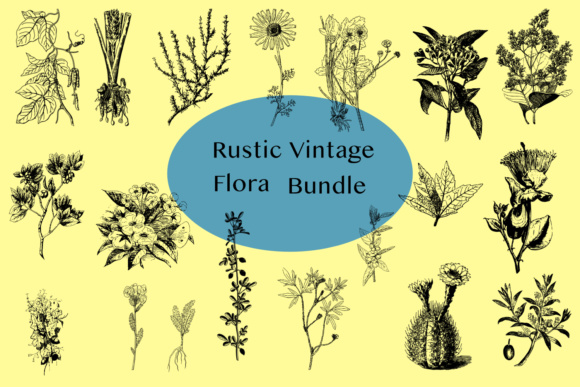
Evaluating Flower Clipart: When Vintage Rose Graphics Are the Right Design Choice
Selecting the right visual assets for a project often involves balancing aesthetic appeal with technical functionality. When designers, crafters, and content creators search for flower clipart, they are frequently navigating a vast spectrum of styles ranging from flat vector icons to hyper-realistic photographs. Within this broad category, specific niches such as vintage graphics, Victorian roses, and antique floral illustrations occupy a distinct space. Understanding the specific utility of high-resolution PNG files featuring pink roses or Valentine flowers requires looking beyond mere decoration. It involves evaluating how these specific artistic styles interact with modern design workflows, print requirements, and audience expectations compared to other available graphical resources.
Distinguishing Vintage Floral Aesthetics from Modern Alternatives
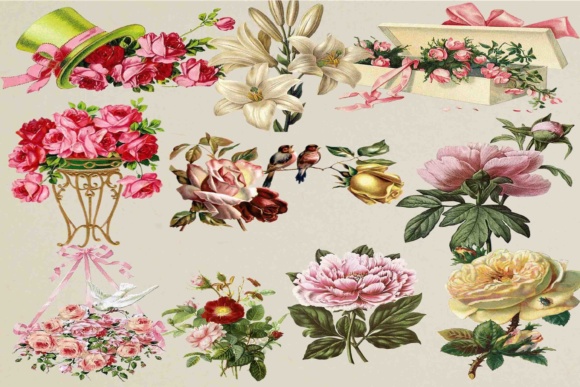
The primary distinction between vintage flower clipart and contemporary floral graphics lies in their origin and emotional resonance. Modern floral vectors often prioritize scalability, clean lines, and trend-driven color palettes suitable for corporate branding or minimalist web design. In contrast, antique flower graphics and Victorian rose illustrations carry historical weight and textural complexity. These assets are typically derived from lithographs, steel engravings, or hand-painted botanical plates from the 19th and early 20th centuries.
For an adult audience evaluating design resources, the choice between these styles is rarely about quality in a vacuum; it is about contextual fit. Vintage graphics offer an inherent sense of nostalgia, romance, and established tradition that is difficult to replicate with newly created digital art. When a project requires conveying heritage, sentimental value, or classical elegance—such as in wedding stationery, historical educational materials, or artisanal product packaging—the intricate shading and organic imperfections of antique flower clipart provide immediate semantic cues. Conversely, if the goal is to communicate innovation, tech-forward thinking, or sterile cleanliness, Victorian aesthetics may introduce visual noise that conflicts with the intended message.
Technical Considerations: Resolution and File Formats
A critical factor in comparing flower clipart options is technical specification. Many users encounter frustration when sourcing vintage-style graphics because older public domain scans are often low resolution. This is where curated collections specifying "300 dpi" and "high quality PNG" become significant decision factors. Standard web graphics typically operate at 72 or 96 dpi, which is sufficient for screens but results in pixelation when printed on physical media. For anyone planning to use rose clip art for greeting cards, scrapbooking, or merchandise, 300 dpi is the non-negotiable industry standard for crisp reproduction.
The format itself also dictates utility. While vector formats (SVG, EPS) are infinitely scalable, true vintage aesthetics are inherently raster-based because they rely on texture and painterly detail that vectors cannot authentically emulate without becoming overly complex. High-quality PNG files offer a practical middle ground. Unlike JPEGs, PNGs support transparency, allowing a Victorian rose or pink floral arrangement to be layered over colored backgrounds or textured paper without a distracting white box. When evaluating a pack of 10 PNG files, the presence of transparent backgrounds is often more valuable than the sheer quantity of images, as it significantly reduces post-processing time in software like Photoshop, Canva, or Procreate.
Comparing Curated Packs Versus Open Archives
Designers and hobbyists generally face two pathways when acquiring flower clipart: downloading individual files from massive open archives or purchasing curated bundles. Each approach presents distinct tradeoffs regarding efficiency, consistency, and licensing.
- Visual Consistency: Open archives contain millions of images, but they lack stylistic cohesion. Sourcing three different Victorian roses from disparate sources often results in mismatched color grading, lighting directions, and illustration techniques. A curated set of 10 high-quality files is typically selected or restored to ensure the pink roses and Valentine flowers share a unified palette and artistic voice, creating a professional look across a multi-page document or product line.
- Restoration Quality: Raw scans from library archives often contain foxing, tears, dust, and discoloration. While authentic, these defects can be undesirable in commercial design. Curated vintage graphics have usually undergone digital restoration to clean artifacts while preserving the antique charm. Evaluating whether you have the skills and time to restore raw scans versus paying for pre-cleaned assets is a key resource allocation decision.
- Licensing Clarity: Public domain status can be ambiguous, especially with restored versions of antique works. Curated packs typically come with clear commercial or personal use licenses. For adults creating products for sale, this legal certainty mitigates risk in ways that unverified archive downloads cannot.
Best-Fit Scenarios for Antique Rose Graphics
Determining when flower clipart featuring Victorian or antique motifs is the superior choice depends heavily on the end application. Based on current design trends and practical usage patterns, these assets excel in specific environments:
- Print-on-Demand and Stationery: The texture of vintage rose clipart complements physical substrates like kraft paper, linen cardstock, and matte finishes. The 300 dpi resolution ensures that the delicate petal details remain sharp in print, whereas flat digital vectors can sometimes appear artificial on textured paper.
- Digital Collage and Journaling: The digital planning community values PNG florals for their layering capabilities. Antique flowers provide a soft, romantic backdrop that contrasts effectively with modern typography and functional planner elements, bridging the gap between utility and artistry.
- Heritage and Genealogy Projects: When designing family trees, memorial programs, or historical presentations, using period-accurate floral graphics reinforces the temporal context. Modern clipart can create cognitive dissonance in these settings, while Victorian roses anchor the design in the appropriate era.
- Seasonal Marketing with Depth: For Valentine’s Day or Mother’s Day, generic red heart vectors are ubiquitous. Utilizing nuanced pink roses or antique Valentine flowers allows brands and creators to stand out by offering a more sophisticated, less commodified interpretation of seasonal themes.
Limitations and When to Seek Alternatives
Despite their charm, vintage flower clipart is not a universal solution. Recognizing its limitations prevents costly redesigns later in the workflow. One primary constraint is scalability. Because these are typically raster PNGs, enlarging them beyond their native dimensions will degrade quality. If your project requires a billboard-sized floral or responsive web elements that must scale perfectly across all devices, vector-based alternatives or AI-generated upscaling may be necessary supplements.
Color flexibility is another consideration. Antique graphics often feature muted, desaturated, or sepia-toned palettes characteristic of aging pigments. While this is aesthetically desirable for vintage themes, it can be problematic if your brand guidelines require specific vibrant Pantone matches. Recoloring detailed raster florals is possible but labor-intensive and often yields inferior results compared to adjusting a vector fill. If exact color matching is a priority over textural authenticity, modern illustrated florals or customizable vectors are likely the better investment.
Furthermore, the "antique" style carries specific cultural connotations. In some contexts, Victorian aesthetics can read as stuffy, overly formal, or dated rather than timeless. For audiences seeking freshness, youthfulness, or avant-garde expression, traditional rose clip art may feel misaligned. It is essential to test these assets against your specific demographic's preferences rather than assuming vintage equals universally appealing.
Making an Informed Selection
When comparing flower clipart options, move beyond the thumbnail preview. Evaluate the asset based on its integration into your specific workflow. Check the actual pixel dimensions to ensure they meet your 300 dpi print requirements at the intended physical size. Verify that the transparency is clean and that edges do not have jagged halos, which indicate poor extraction. Consider whether the collection offers enough variety (e.g., buds, full blooms, leaves, arrangements) to create visual hierarchy without needing to source additional mismatched elements.
Ultimately, the value of a set containing high-quality Victorian roses or pink floral PNGs is defined by how well it solves your specific design problem. For projects demanding historical authenticity, textural richness, and print-ready resolution, curated vintage clipart remains an unmatched resource. However, for projects requiring infinite scalability, strict color compliance, or modern minimalism, exploring alternative categories will yield better long-term results. By assessing these technical and aesthetic factors objectively, creators can select floral assets that enhance their work’s professionalism and emotional impact without compromising on functionality.