Elevating Creative Projects with Hand-Painted Watercolor Roses Clipart
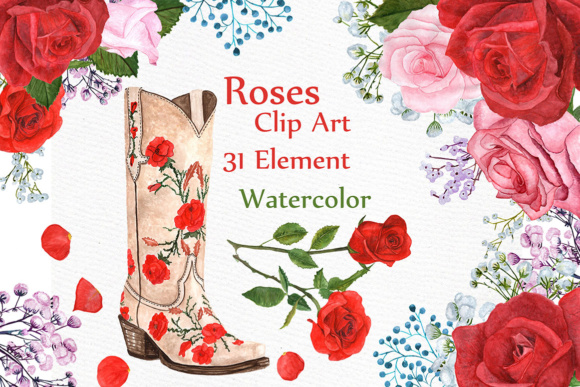
There is a distinct warmth to hand-painted florals that digital illustrations often struggle to replicate. When you work with authentic watercolor roses clipart, you are not just placing a graphic on a canvas; you are integrating the organic texture of paper grain, the natural bleed of pigment, and the deliberate brushstrokes of an artist. This specific collection features 31 unique elements, each saved as a high-resolution PNG at 300 dpi, ranging in size from approximately 4 to 11 inches. These aren't generic vectors traced by software; they are genuine red floral paintings digitized for modern design workflows.
For designers, crafters, and DIY enthusiasts, this distinction matters. The transparency of the PNG format combined with the richness of traditional media allows these red flowers to sit naturally against any background. Whether you are designing a wedding suite for a client or creating a personalized gift for a friend, the visual weight of real watercolor adds a layer of sophistication and emotional resonance that flat color simply cannot achieve. Understanding how to leverage these assets effectively can transform a standard project into something that feels bespoke and artisanal.
Designing Wedding Stationery with Authentic Texture
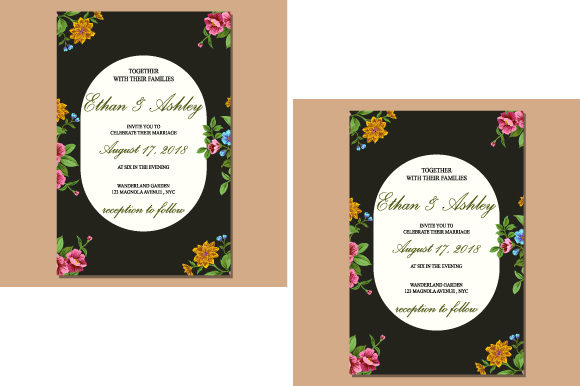
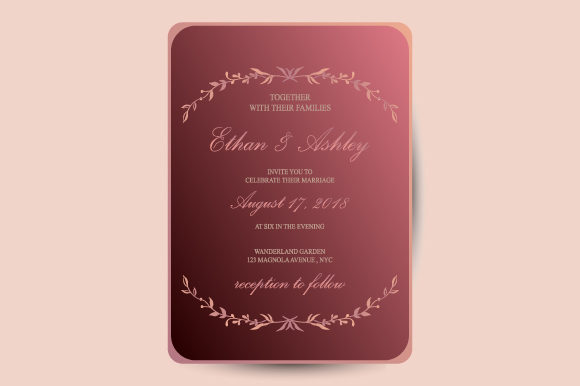
The most immediate application for red rose clipart is within the wedding industry, but the utility goes far beyond simple decoration. Modern couples often seek a balance between classic romance and contemporary minimalism. A set of 31 varied elements provides the flexibility needed to create a cohesive stationery suite without repetitive patterns. You might use a large, 11-inch bloom as the focal point on a reception welcome sign, while utilizing smaller 4-inch buds as subtle accents on menu cards or place settings.
Because these elements are hand-painted, they pair exceptionally well with textured paper stocks like cotton rag or linen. When printed at 300 dpi, the fine details of the watercolor washes remain crisp, preventing the muddy appearance that lower-resolution florals often suffer from. For DIY brides managing their own invitations, this clipart offers a professional-grade aesthetic without the cost of hiring a custom illustrator. The key is to treat the white space around the roses as part of the design. Unlike vector art which can be stretched indefinitely, watercolor has a fixed aspect ratio and natural edges. Respecting these boundaries ensures the artwork retains its integrity when scaled for different print sizes.
Commercial Product Design and Packaging
Small business owners in the beauty, wellness, and confectionery sectors frequently utilize floral clipart to establish brand identity. Red roses specifically convey luxury, passion, and tradition, making them ideal for Valentine’s Day collections, anniversary editions, or premium product lines. With 31 distinct elements, you can create a modular packaging system where the floral arrangement changes based on the product variant while maintaining a consistent visual language.
Consider a skincare line launching a rose-infused serum. Using a high-resolution watercolor element on the label communicates natural ingredients more effectively than synthetic iconography. The 300 dpi resolution is critical here; packaging requires sharp printing even at small scales. However, users should be mindful of contrast. Deep red watercolors can sometimes appear dark when printed on uncoated cardboard. Testing a proof print is always recommended to ensure the vibrancy translates from screen to physical substrate. The versatility of having multiple flower stages—from tight buds to full blooms—allows for dynamic storytelling across a product range, suggesting freshness and botanical authenticity.
Digital Content Creation and Social Media Assets
While originally painted for print, these watercolor roses excel in digital environments due to their transparent backgrounds. Content creators and social media managers can overlay these elements onto photos, video thumbnails, or quote graphics to add softness and organic framing. The variation in size (4-11 inches) translates well to pixel dimensions suitable for Instagram stories, Pinterest pins, or blog headers.
In digital design, the challenge is often avoiding the "sticker sheet" look where clipart appears pasted on rather than integrated. To mitigate this, consider adjusting the opacity slightly or using blending modes like Multiply or Overlay when working in software like Photoshop or Canva. This helps the watercolor texture interact with the background image, mimicking the way paint absorbs into paper. For educators or coaches creating course materials, these red florals can serve as elegant dividers or section markers, breaking up dense text with visual relief that maintains a professional yet approachable tone.
Practical Considerations for File Management and Usage
Working with high-resolution raster files requires some technical mindfulness. At 300 dpi and up to 11 inches, individual PNG files can be quite large. Organizing these 31 elements into clearly labeled folders by size or orientation will save significant time during active design sessions. It is also wise to keep master copies untouched and work on duplicates to preserve the original quality.
One common limitation of watercolor clipart is the inability to change colors without degrading quality. Since these are pre-painted red roses, they are not easily recolored like vector graphics. If your project requires a blush pink or burgundy palette, you may need to adjust hue/saturation levels carefully. However, aggressive color shifting can introduce artifacts or grayish tones. It is often better to embrace the specific red tone provided and build your complementary color palette around it. Additionally, because the edges are natural brush strokes rather than clean vector paths, masking or erasing parts of the flower requires a soft brush to avoid harsh, unnatural cutoffs.
Scrapbooking and Personal Memory Keeping
Beyond commercial and event design, there is a profound personal utility in hand-painted florals for memory keeping. Digital scrapbookers and hybrid crafters value these assets for their ability to bridge the gap between digital convenience and analog soul. Creating a heritage album or a baby book benefits from the timeless nature of red roses, which avoid dating the layout to a specific trend era.
For those printing photo books, the 300 dpi specification ensures that the florals match the resolution of standard photo prints. You can layer these elements behind journaling spots or use them to frame candid photography. The tactile suggestion of watercolor evokes nostalgia, enhancing the emotional impact of family memories. Even for physical scrapbookers who prefer cutting machines, these high-res PNGs can be printed on cardstock and cut out manually or with a die-cutter, providing custom embellishments that coordinate perfectly with digital layouts.
Selecting the Right Elements for Your Composition
With 31 elements available, the temptation is often to use as many as possible. However, effective design usually involves restraint. Before dragging every rose onto your canvas, assess the hierarchy of your information. Are the flowers supporting the content, or competing with it? In typography-heavy designs like certificates or formal announcements, opt for smaller, less saturated blooms positioned in corners to frame the text without reducing legibility.
Conversely, for art prints or wall decor, the larger 11-inch elements can stand alone as the primary subject. Pay attention to the directionality of the stems and petals. Natural flowers grow upward and outward; arranging clipart in ways that defy gravity or botanical logic can subconsciously unsettle the viewer. Grouping odd numbers of elements (three or five) typically creates a more pleasing composition than even pairs. By treating these digital assets with the same respect you would give fresh-cut flowers, you ensure the final result feels intentional, harmonious, and beautifully crafted.