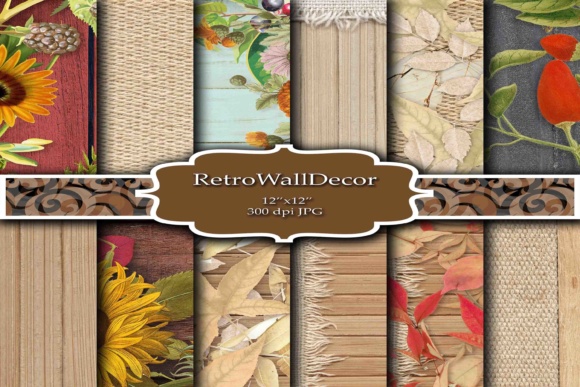
Bringing Nature Indoors: A Complete Guide to Using Autumn Wood Digital Papers in Creative Projects
In the ever-evolving world of digital design and paper crafting, few elements evoke as much warmth and nostalgia as natural textures. Among these, Wood Digital Papers have established themselves as a cornerstone asset for designers, scrapbookers, and hobbyists alike. Specifically, the niche of Autumn Wood and rustic textures offers a unique aesthetic that bridges the gap between traditional craftsmanship and modern digital convenience. Whether you are designing a wedding invitation, preserving family memories in a scrapbook, or creating social media graphics, understanding the nuances of high-quality wood backgrounds is essential for achieving professional results.
This guide explores the significance, technical specifications, and creative applications of 12x12 digital wood papers, helping both beginners and seasoned creators maximize their graphic projects.
Understanding the Appeal of Rustic Digital Paper
To truly appreciate Rustic digital paper, one must first understand why wood textures remain so prevalent in design. Wood is inherently organic; it carries a visual weight and history that solid colors or synthetic gradients simply cannot replicate. When we incorporate a Wood pattern into a digital layout, we are borrowing the psychological associations of timber: stability, warmth, nature, and timelessness.
The specific category of Autumn Wood takes this a step further. Unlike generic pine or polished oak textures, autumnal wood papers often feature weathered grains, warmer color palettes involving ambers, deep browns, and muted oranges, and sometimes even subtle integrations of floral patterns. This fusion creates a versatile backdrop that feels seasonal yet enduring. It is important to clarify a common misconception here: digital paper is not merely a photograph of a plank. High-quality digital papers are often seamless textures that have been processed to ensure consistent lighting and color balance, making them suitable for tiling or use as a standalone background without distracting shadows or uneven exposure.
The Intersection of Floral Patterns and Wood Textures
A trending variation in this space is the combination of Floral pattern elements with wood backgrounds. This juxtaposition softens the ruggedness of the timber, introducing a delicate, romantic quality that is particularly popular in feminine branding, baby announcements, and spring or fall-themed scrapbooking. The key to using these hybrid designs effectively lies in contrast. The organic lines of the wood grain should complement, not compete with, the botanical illustrations. When selected correctly, these papers serve as an anchor, allowing lighter text or photos to pop against the textured surface.
Technical Specifications: Why Quality Matters
For those new to digital assets, the terminology surrounding file specifications can be daunting. However, understanding these metrics is crucial for ensuring your Wood background looks crisp in print and on screen. When evaluating a collection of digital papers, specifically those marketed for scrapbooking or card design, you should look for three non-negotiable standards.
- Dimensions (12x12 / 3600x3600 px): The 12x12 inch format is the industry standard for scrapbooking. In digital terms, this translates to 3600x3600 pixels. This specific pixel count ensures that the image maintains a one-to-one ratio with physical printing standards. Using smaller files may result in pixelation when printed, while significantly larger files can slow down your design software without adding visible benefit.
- Resolution (300 DPI): Dots Per Inch (DPI) is the measure of print density. While web images typically use 72 DPI, high quality 300 dpi is mandatory for any physical output. This resolution ensures that the intricate details of the Wood pattern—the knots, the grain lines, and the color variations—remain sharp and defined when transferred to cardstock or photo paper.
- File Format (JPEG): JPEG remains the most compatible format for digital papers. A set of 12 high quality JPEG files provides ample variety while maintaining manageable file sizes. Unlike PNGs, which support transparency but create massive file sizes for full-background textures, JPEGs offer the perfect balance of quality and performance for background usage.
Practical Applications in Modern Creativity
The versatility of Wood Digital Papers extends far beyond traditional scrapbooking. In our current digital-first environment, these textures have found new life across various mediums. Understanding how to adapt these assets for different purposes is what separates novice users from expert designers.
Scrapbooking and Memory Keeping
This is the primary home of the 12x12 digital paper. In digital scrapbooking, an Autumn Wood background serves as the foundation for storytelling. Because wood textures are visually busy, experienced scrappers often use techniques like "masking" or overlaying semi-transparent white layers to create designated spaces for journaling. This allows the rustic charm to frame the memory without obscuring the narrative. For hybrid scrapbookers who print digital pages to assemble physically, the 300 DPI specification ensures the transition from screen to page is imperceptible.
Card Design and Stationery
When designing greeting cards, texture implies tactility. Even if the recipient receives a digital e-card, a Rustic digital paper background triggers a sensory response that flat colors lack. For physical cards, using a wood texture background can save money on expensive specialty papers. By printing a high-resolution wood JPEG onto standard matte cardstock, you achieve the look of reclaimed barn wood without the cost or difficulty of sourcing actual materials. This is particularly effective for holiday cards, thank-you notes, and masculine-themed invitations where floral patterns might be less appropriate.
Digital Branding and Social Media
In the realm of content creation, consistency is key. Bloggers, Etsy sellers, and influencers often use a cohesive set of Wood Digital Papers to establish brand identity. An autumnal wood theme suggests authenticity, artisanal quality, and coziness. These backgrounds work exceptionally well for Instagram stories, Pinterest pins, and blog headers. However, unlike print projects, digital creators must be mindful of text readability. The complex grain of a Wood pattern can sometimes interfere with small typography. Applying a dark or light overlay at 20-40% opacity is a best practice to maintain the texture’s character while ensuring accessibility and legibility.
Maximizing Value: Working with a 12-Paper Collection
Most professional digital paper packs come in sets of 12. This number is not arbitrary; it corresponds to the standard number of months in a year and provides enough variation to prevent repetition fatigue in large projects. Here is how to strategically utilize a full collection:
- Categorize by Tone: Within a single pack of Autumn Wood papers, there will likely be variations ranging from light birch tones to dark walnut shades. Sort these mentally or physically before starting a project. Use lighter woods for backgrounds requiring heavy text and darker woods for photo-heavy layouts.
- Mix and Match: Do not feel restricted to using one paper per page. Digital design allows for collage. Combine a solid Wood background with a coordinating Floral pattern paper from the same set to create custom borders, mats, or embellishments.
- Test Print First: Monitor calibration varies wildly. Before committing to a large batch of card designs or scrapbook pages, print a single 12x12 test sheet at 300 DPI. Verify that the colors match your expectations and that the grain detail holds up at physical scale.
- Archive Properly: High-resolution JPEG files are valuable assets. Organize your digital papers by theme (e.g., "Rustic," "Autumn," "Floral") rather than just by purchase date. This reduces friction when inspiration strikes and ensures you can quickly locate the perfect Wood pattern for future projects.
Common Misunderstandings About Digital Textures
Despite their popularity, there are lingering hesitations regarding digital textures. Some purists argue that digital wood lacks the "soul" of real materials. While true that a pixel cannot replace the scent of cedar, modern Wood Digital Papers are created with immense respect for the source material. Many are derived from high-fidelity scans of actual vintage timber, preserving the imperfections that give wood its character.
Another common assumption is that digital papers are only for digital output. As mentioned previously, the 3600x3600 px / 300 DPI standard exists specifically to facilitate physical creation. The bridge between digital convenience and tangible craft is stronger than ever. Furthermore, users sometimes worry about licensing. Always verify the Terms of Use (TOU) for your specific 12-file JPEG set. Most personal-use licenses allow for unlimited physical prints for yourself or gifts, while commercial licenses may be required if you are selling finished products featuring the Rustic digital paper as a primary design element.
Conclusion
Whether you are capturing the golden hues of fall in a family photo album, designing a heartfelt thank-you card, or building a cohesive visual brand, Wood Digital Papers offer an unmatched blend of aesthetic warmth and technical reliability. By understanding the importance of 300 DPI resolution, the standard 12x12 format, and the artistic interplay between rustic grains and floral accents, you elevate your work from simple assembly to thoughtful design.
These digital assets are more than just background fillers; they are tools for emotional connection. They allow us to bring the grounding, serene beauty of the natural world into our fast-paced digital lives. With a high-quality set of 12 autumnal wood papers in your toolkit, you are equipped to create projects that feel as timeless and enduring as the forests that inspired them.